

Research
Research History
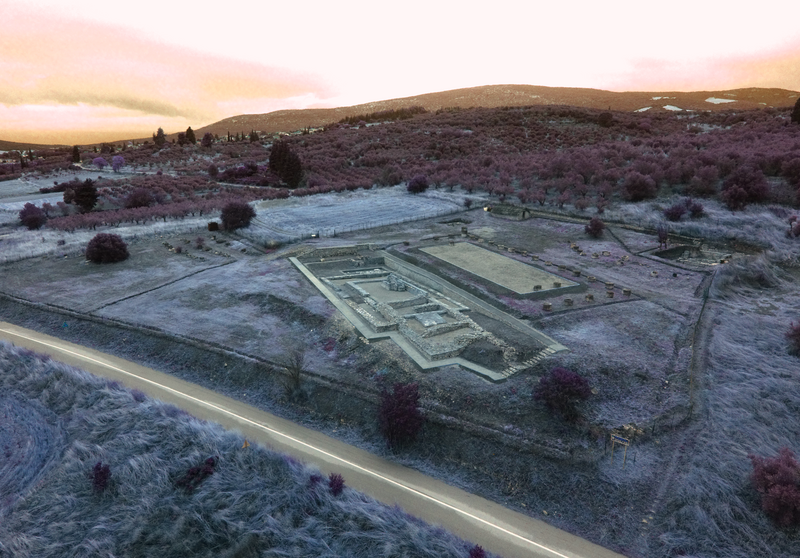
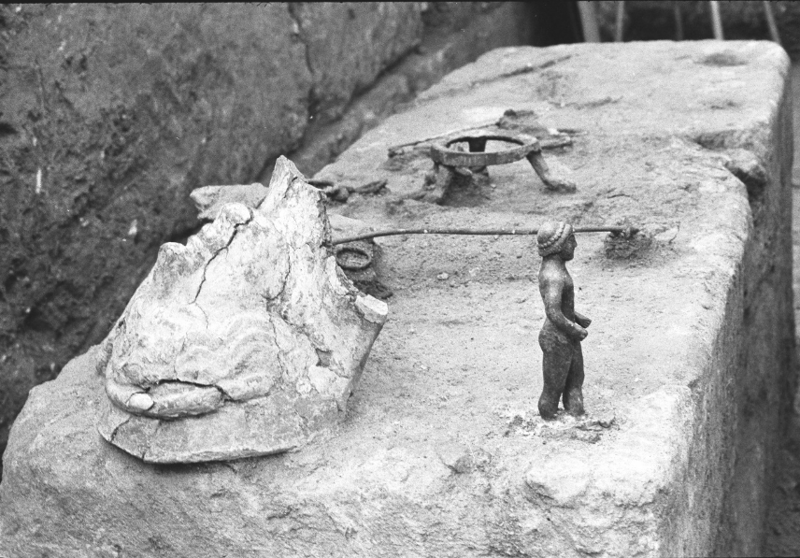
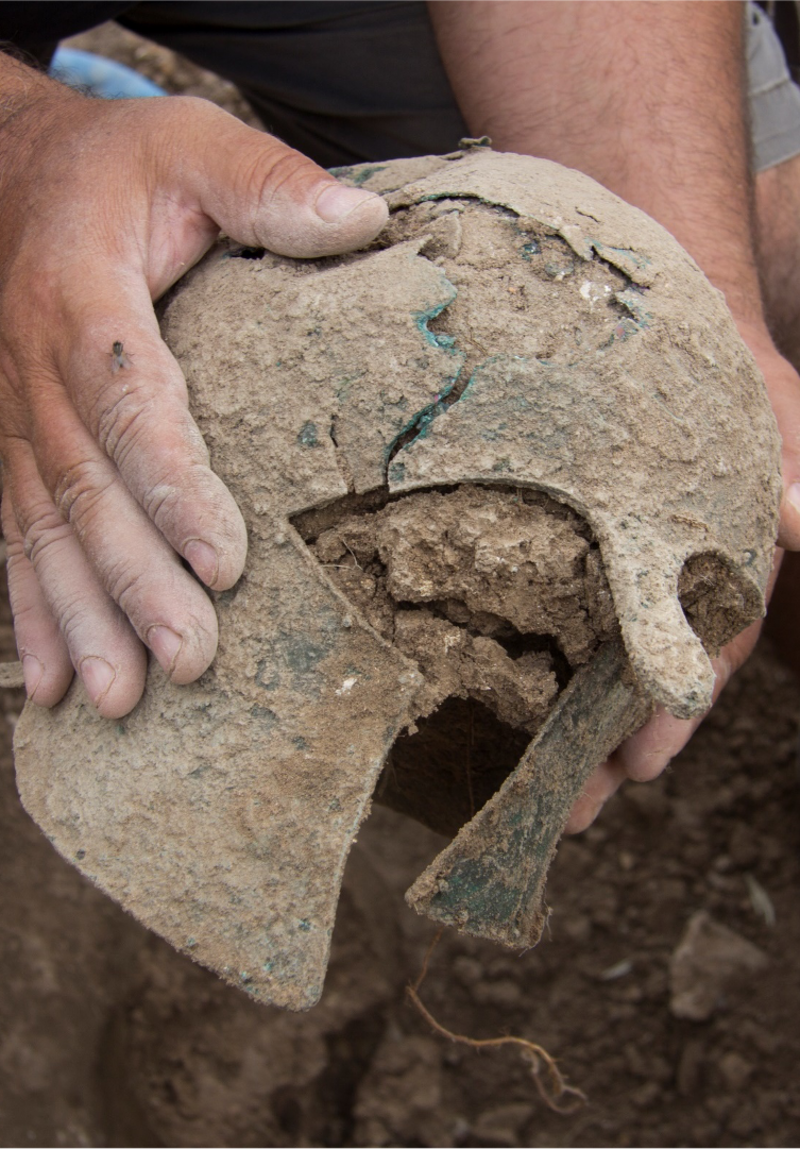
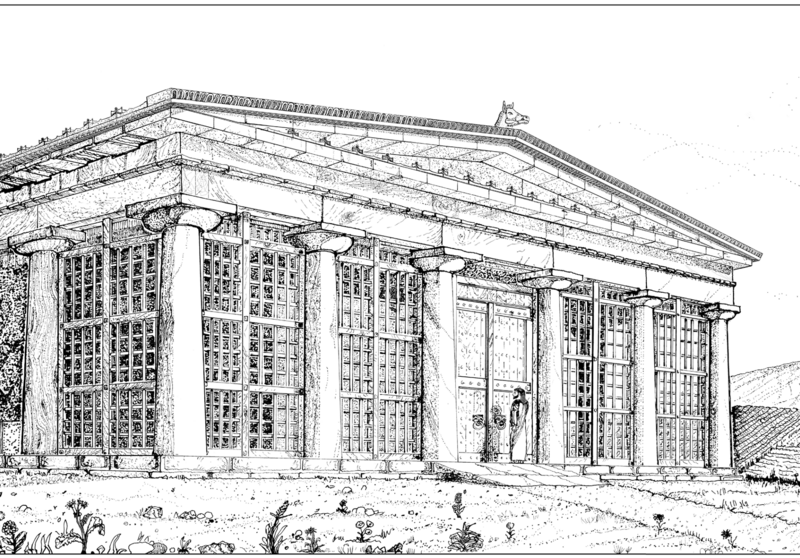
The DAI has been conducting excavations at the sanctuary since 1973. In 1973–1982, Rainer Felsch uncovered successive building phases in both complexes, starting from the Early Archaic period. In his 2004–2013 excavations, Wolf-Dietrich Niemeier focused on the South Temple complex, where he established the presence of the oldest sanctuary as early as LH IIIA1 (second half of the 15th century BC) and demonstrated cult continuity across the Early Iron Age. The work directed since 2014 by Katja Sporn centers on the layout, expansion, and infrastructure of the sanctuary, as well as its integration with the surrounding settlement area. A section of the sanctuary’s northern enclosure wall, constructed in the 6th century B.C.. has been identified. Additionally, the excavation of the Spolia Building in the NE of the sanctuary yielded the first structure from the Late Hellenistic period. Excavations in the Imperial Roman to Late Antique layers at various points across the site, have enabled the establishment of a precise chronology of these periods.
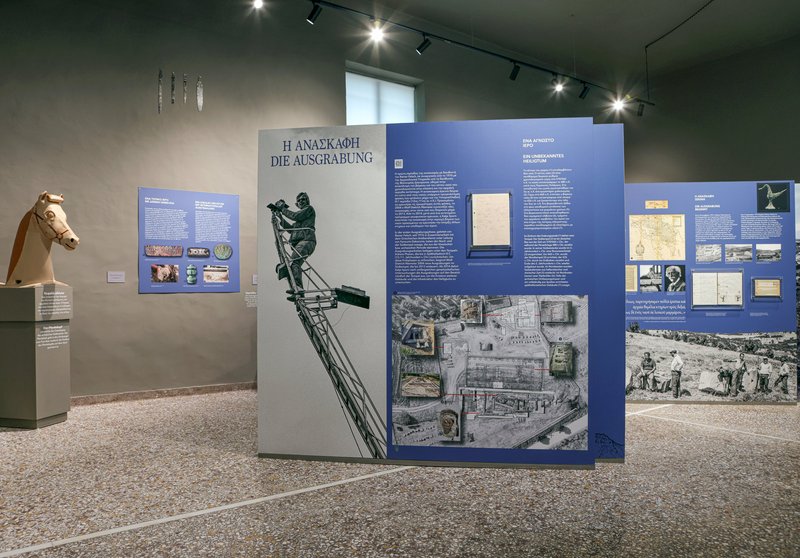
Systematic site conservation has given the excavation area a new appearance in recent years. Furthermore, to mark the anniversary of the first sod-cutting, a photo exhibition detailing the history of the excavations was opened in the former primary school of Kalapodi on September 5, 2023.
![[Translate to Englisch:] Kalapodi_Südtempel_Gesamtansicht.jpg](/_assets/e/4/csm_Kal_2009_Suedtempel_gesamt_Foto_W.-D._Niemeier_ATH_32a3080e20.jpg)

![[Translate to Englisch:] Kalapodi_Grabungsgelände_vonOsten_D-DAI-ATH-2017-4084.jpg](/_assets/4/8/csm_Kai_2017_Grabung_von_Osten_D-DAI-ATH-2017-4084_Foto_H_Birk_ATH_275a01ed77.jpg)