


News


Mitarbeiter der KulturGutRetter am DAI verlädt Schutzmaterialien für Kulturgut zum Transport in die Ukraine © DAI // Eva Götting
Ukraine Hilfe
Schon kurz nach Beginn des russischen Agriffskrieges auf die Ukraine hat das DAI Hilfe und Unterstützung für die ukrainischen Kolleg:innen und das dortige Kulturgut organisiert und bereitgestellt. Die Maßnahmen reichen von der Lieferung von Schutzmaterialien, über Bereitstellung sicherer Datenspeicher bis hin zu Stipendien.


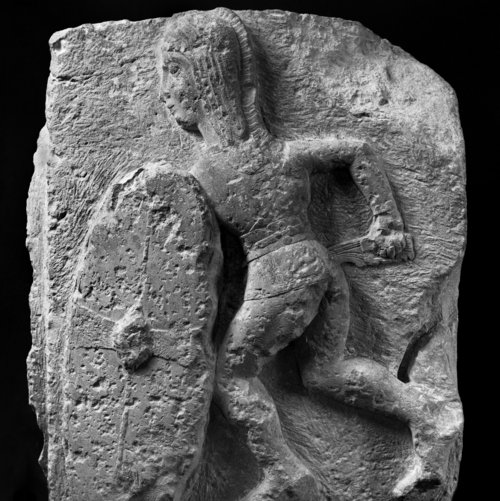

© DAI, Athen // Imantosis
unsere Vision
Als archäologisches Forschungsinstitut liegt unser Interesse nicht nur darauf, Gesellschaften der Vergangenheit zu verstehen. Vielmehr ist die Beantwortung von Fragen zum Umgang mit Krisen, zu kultureller Identität und der Anpassung an sich verändernde Umweltbedingungen auch für unser Zusammenleben heute von zeitlosem Interesse.
Wir wollen Ursprung und Entwicklung technischer Innovationen verstehen, die Entstehung und Veränderung von Siedlungsräumen, Alltag und Handel erforschen, den menschlichen Einfluss auf Klima- und Umweltveränderung nachvollziehen und dessen Auswirkungen untersuchen.
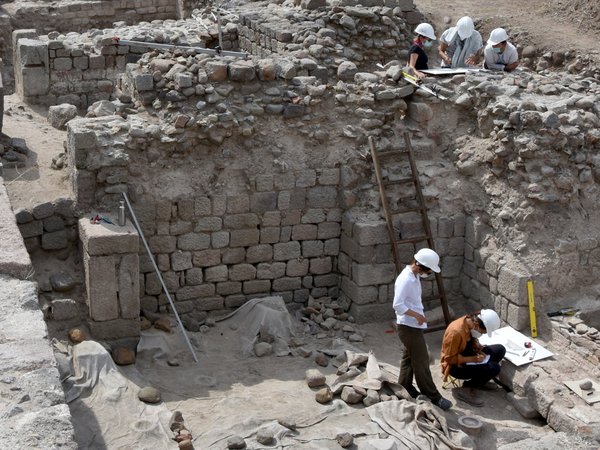
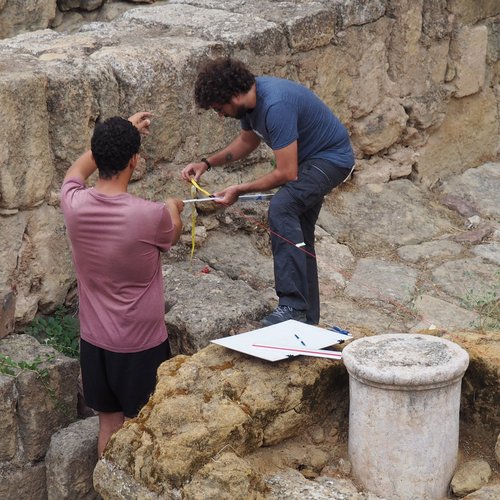
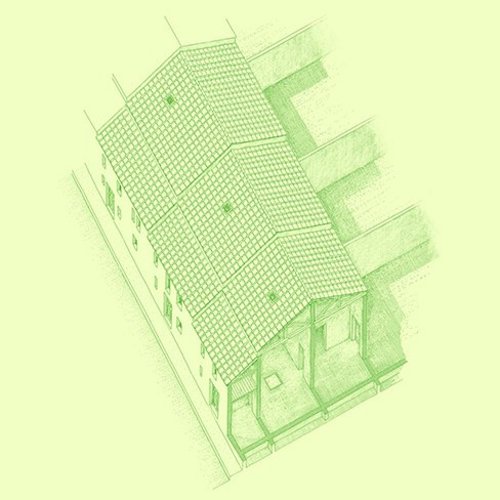
Pergamon, Bauaufnahme des Thermalbades Kleopatra Güzellik Ilıcası © Archiv DAI-Pergamongrabung // K. Piesker
Unsere Projekte
Kooperative Forschung, weltweit und auf Augenhöhe, vielfältig, anwendungsorientiert und innovativ
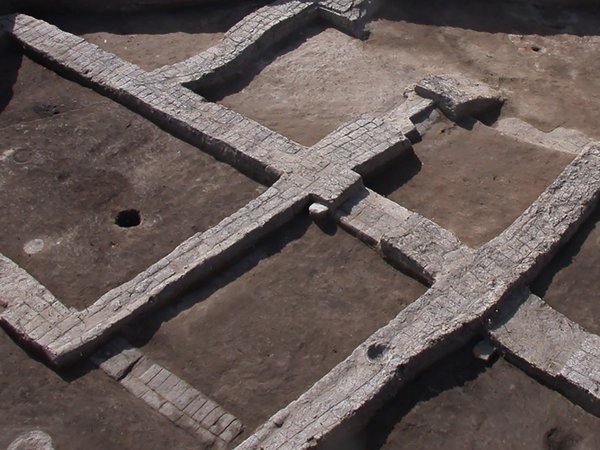
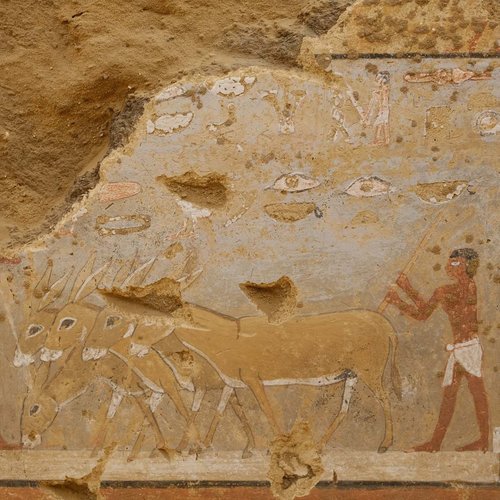
Freigelegte Mauerzüge aus der 1.Dynastie (ca. 3.000 v. Chr.) in Buto im Nildelta © DAI // Ulrich Hartung
Unsere Forschungsinfrastrukturen
Unsere Forschungsinfrastrukturen schaffen Zugänge zum Wissen – nachhaltig, international und offen
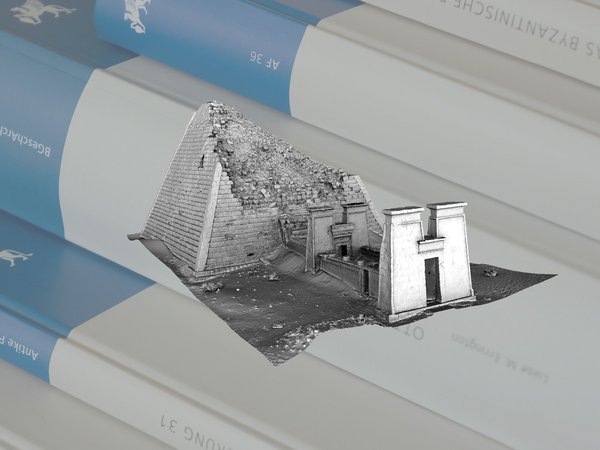
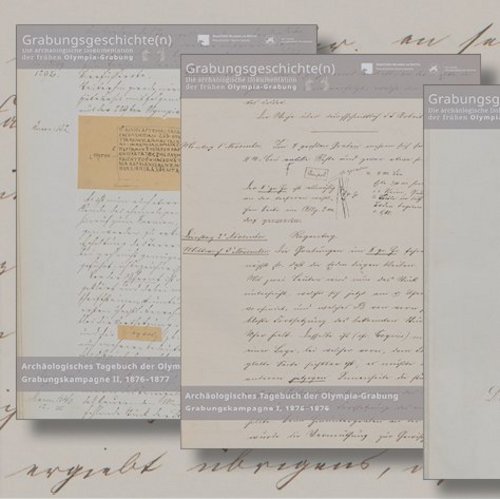
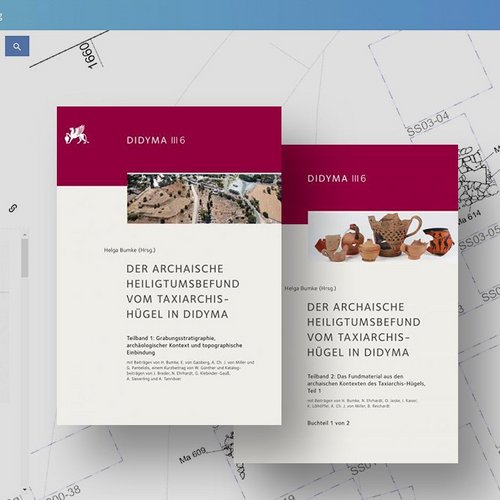
Illustrierendes Bild für den Bereich Publikationen © DAI // Anonym
Unsere Publikationen
Geteiltes Wissen ist die Grundlage von Forschung und Austausch – als Online-Journal, Forschungsdatenpublikation oder hochwertige Buchausgabe.

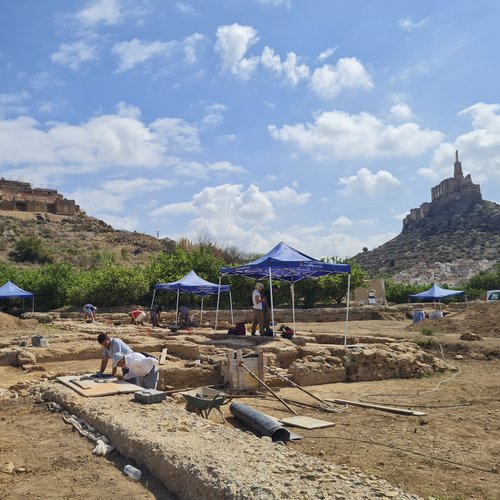
© DAI, Madrid // D. Banos
Klima & Nachhaltigkeit
Die globalen Folgen des Klimawandels gehören zu den großen Herausforderungen unserer Zeit. In ihrer gesellschaftshistorischen Perspektive erlaubt archäologische Forschung auch, diese langfristigen Auswirkungen auf menschliche Gemeinschaften nachzuvollziehen. Dank unserer langen Tradition archäologischer und naturwissenschaftlicher Kooperation, bietet das DAI eine einmalige Forschungsumgebung, diesen Fragen nachzugehen.

Illustrierendes Bild für Bewerben am DAI © Photo by Christin Hume on unsplash // Christin Hume
Bewerben am DAI
Das Deutsche Archäologische Institut schreibt regelmäßig Stellen aus. Hier finden Sie sämtliche aktuellen Stellenangebote aller Abteilungen und Arbeitsbereiche.
Wir bieten Karrieremöglichkeiten in den Bereichen Wissenschaft, Forschungsinfrastruktur und Verwaltung. Moderne Ausstattung, flexible Arbeitsmodelle, Chancengleichheit und Familienfreundlichkeit prägen die Arbeit am DAI.